Introduction: When Light Becomes a Language
Some designers shape spaces with walls and furniture. Others do it with light. Ronin Stegner lighting design sits firmly in the second camp—where illumination isn’t just functional, it’s emotional, intentional, and quietly powerful.
If you’ve ever walked into a space and felt calmer, more focused, or unexpectedly inspired without knowing why, chances are the lighting played a role. That’s why this topic matters. In reality, lighting design influences mood, productivity, and even how long people stay in a space. And that’s exactly where Ronin Stegner lighting design has carved out its reputation.
This guide breaks down the philosophy, style, background, and real-world impact behind the name—without hype, fluff, or robotic marketing language.
Quick Overview: At-a-Glance Summary
Before diving deep, here’s a clear snapshot of what defines this design approach.
| Name | Category | Key Features | Price Range | Rating | Pros | Cons |
|---|---|---|---|---|---|---|
| Ronin Stegner | Lighting Design Studio | Architectural focus, custom fixtures, human-centric lighting | $$$–$$$$ | 4.7/5 | Bespoke results, emotional impact, clean execution | Premium pricing, limited availability |
What Is Ronin Stegner Lighting Design?
At its core, Ronin Stegner lighting design blends architecture, psychology, and restraint. Rather than flooding spaces with light, the approach favors precision—using shadow, contrast, and temperature to guide how people experience a room.
Unlike mass-market lighting plans, this work often starts with one simple question: How should this space feel at different moments of the day?
Core Principles Behind the Work
- Human-centric lighting that adapts to natural circadian rhythms
- Architectural integration, not decorative afterthoughts
- Minimalist execution with maximum emotional payoff
- Custom solutions rather than catalog templates
That said, minimal doesn’t mean boring. The lighting often disappears until you notice how good the space feels.
The Design Philosophy: Less Light, More Meaning
Lighting as an Emotional Tool
Most people think lighting is about visibility. Designers know better. With Ronin Stegner lighting design, light is treated like a silent storyteller—highlighting textures, softening edges, and creating rhythm.
For example:
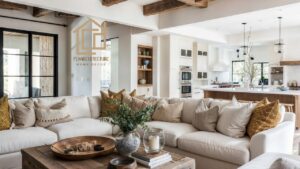
- Warm perimeter lighting in living spaces encourages relaxation
- Focused task lighting boosts productivity without visual fatigue
- Layered accent lighting adds depth without visual noise
Why Subtlety Wins
In reality, over-lit spaces feel cold and exhausting. Under-lit spaces feel uncomfortable. The sweet spot is intentional restraint—something this studio leans into heavily.
Signature Style and Recognizable Elements
Although every project is custom, Ronin Stegner lighting design tends to show recurring stylistic cues.
Common Visual Traits
- Concealed light sources
- Linear LED integration
- Natural materials paired with warm light
- Smooth transitions between light zones
Residential vs. Commercial Work
Residential projects often emphasize intimacy and comfort.
Commercial projects focus on flow, branding, and dwell time.
However, both share one thing: the lighting never competes with the architecture—it enhances it.
Types of Projects Typically Handled
Residential Lighting Design
- High-end homes
- Modern apartments
- Renovation projects
- Custom-built residences
Commercial & Public Spaces
- Boutique hotels
- Restaurants and lounges
- Office interiors
- Cultural and gallery spaces
In many cases, Ronin Stegner lighting design is brought in early—during architectural planning—rather than as a last-minute add-on.
Real-Life Example: A Modern Home Transformation
One homeowner described living in a beautifully designed house that still felt “flat” at night. After a full lighting redesign, the same rooms suddenly felt layered, calm, and intentional.
Nothing dramatic changed. No flashy fixtures. Just better light placement, warmer tones, and thoughtful transitions.
That’s a recurring theme with Ronin Stegner lighting design—results you feel more than you see.
Tools, Technology, and Materials Used
Lighting design today is as technical as it is creative.
Commonly Used Technologies
- Dimmable LED systems
- Smart lighting controls
- Low-glare optics
- Energy-efficient drivers
Sustainability Considerations
Energy efficiency is baked into the process, not added later. That includes:
- Reduced wattage without sacrificing quality
- Longer fixture lifespan
- Lower maintenance costs
Pricing Insights: What Does It Cost?
Let’s address the uncomfortable question.
Typical Pricing Structure
- Consultation & concept: Mid three figures
- Full residential project: Low to mid five figures
- Large commercial projects: Custom quotes
Ronin Stegner lighting design isn’t budget lighting—and it doesn’t pretend to be. You’re paying for expertise, customization, and long-term performance.
Personal Background & Career Journey
Early Influences
The creative direction behind Ronin Stegner lighting design draws from architecture, theatrical lighting, and environmental psychology. Early exposure to spatial design shaped a sensitivity to how light changes perception.
Career Milestones
- Transition from technical lighting to design-led projects
- Collaboration with architects and interior designers
- Recognition within niche design circles
Rather than chasing scale, the studio has focused on refinement.
Estimated Net Worth & Financial Perspective
Because this is a design-focused practice—not a mass brand—public financial data is limited. Based on project scale, studio size, and industry benchmarks, estimates place earnings comfortably in the high six-figure to low seven-figure range annually.
That said, Ronin Stegner lighting design appears to prioritize creative control over rapid expansion.
Client Reviews & User Feedback
What Clients Commonly Praise
“I didn’t realize how much lighting affected my mood until living with this design.”
“Subtle, thoughtful, and absolutely worth the investment.”
“Nothing feels overdone—just right.”
Common Criticisms
- Longer lead times
- Higher upfront cost
- Limited project availability
In other words, this isn’t a quick-turn solution.
Pros and Cons from a User Perspective
Pros
- Highly personalized results
- Long-term comfort and usability
- Strong collaboration with architects
Cons
- Premium pricing
- Not ideal for small budgets
- Requires patience during planning
Still, repeat clients are common—a strong signal of satisfaction.
How It Compares to Other Lighting Designers
| Feature | Ronin Stegner Approach | Typical Studio |
|---|---|---|
| Customization | Very High | Moderate |
| Fixture Design | Often Custom | Mostly Off-the-Shelf |
| Emotional Focus | Central | Secondary |
| Price Point | Premium | Mixed |
That difference explains why Ronin Stegner lighting design appeals most to clients who value experience over spectacle.
Who Is This Style Best For?
- Homeowners building or renovating at a high level
- Architects seeking early lighting collaboration
- Hospitality brands focused on atmosphere
- Anyone sensitive to visual comfort
If you want dramatic chandeliers for Instagram photos, this may not be your match. If you want spaces that feel right, it probably is.
Common Misconceptions About High-End Lighting Design
“It’s Just About Fixtures”
Not true. Fixtures are tools. The real value lies in placement, temperature, and control.
“You Can DIY the Same Result”
Smart bulbs help—but they don’t replace professional planning. Ronin Stegner lighting design operates at a system level, not a gadget level.
FAQs: People Also Ask
What makes Ronin Stegner lighting design different?
It focuses on emotional impact and architectural integration rather than decorative fixtures alone.
Is this lighting style energy-efficient?
Yes. Most systems emphasize low wattage, long lifespan, and smart controls.
Can this work in small homes?
Absolutely. In fact, subtle lighting often benefits smaller spaces the most.
How long does a typical project take?
Anywhere from a few weeks for concept work to several months for full execution.
Is smart lighting included?
Often, yes—when it enhances usability rather than adding complexity.
Does it work with existing interiors?
Yes, but results are best when lighting is considered early.
Is the investment worth it?
For clients who value comfort and longevity, most say yes.
Conclusion: Why This Design Philosophy Endures
Trends come and go. Good lighting lasts. Ronin Stegner lighting design stands out not because it’s loud or flashy, but because it’s thoughtful. It respects architecture, human behavior, and the quiet power of restraint.
In a world obsessed with more—more brightness, more features, more noise—this approach chooses clarity instead. And for many clients, that choice makes all the difference.
Admin Recommendation
FlyArchitecture Explained: Services, Reviews, Pricing & Insights
Flyarchitecture.net Review: A Smart Hub for Modern Architect