Have you ever walked into a home and felt something instantly—comfort, warmth, curiosity, or even calm?
That feeling doesn’t come from a single sofa or a trendy lamp. It comes from layers of meaning, memories, and thoughtful choices. That’s exactly where your topics multiple stories fits perfectly into home decor.
In the world of interiors, one idea is never just one idea. A living room tells a story. So does a hallway, a color palette, or even a forgotten corner. Using your topics multiple stories in home decor means designing spaces that feel lived-in, personal, and deeply human—not staged or soulless.
This article explores how one decor theme can unfold into many stories, helping you create a home that feels authentic, functional, and emotionally rich.
Quick Overview: Home Decor Through Multiple Stories
| Area | Decor Category | Key Features | Budget Range | Style Rating | Pros | Cons |
|---|---|---|---|---|---|---|
| Living Room | Core Space | Statement furniture, textures | $$–$$$ | ⭐⭐⭐⭐⭐ | High impact | Easy to overdo |
| Bedroom | Personal Retreat | Layers, lighting, fabrics | $$ | ⭐⭐⭐⭐☆ | Cozy & calming | Needs balance |
| Kitchen | Functional Style | Smart storage, finishes | $$$ | ⭐⭐⭐⭐☆ | Adds value | Costly upgrades |
| Entryway | First Impression | Mirrors, rugs, lighting | $–$$ | ⭐⭐⭐⭐⭐ | Quick wins | Limited space |
| Balcony | Lifestyle Zone | Plants, seating, lighting | $ | ⭐⭐⭐⭐☆ | Relaxing | Weather limits |
What Does “Your Topics Multiple Stories” Mean in Home Decor?
In interior design, your topics multiple stories means using one central decor idea and expressing it in different, meaningful ways throughout your home.
For example:
- One theme: warm minimalism
- Multiple stories: textures, lighting, furniture, colors, memories
Instead of copying a showroom look, you build layers that reflect your life. This approach turns decor into storytelling.
And honestly, homes designed with your topics multiple stories always feel more inviting than picture-perfect spaces.
Why This Approach Matters More Than Trends
Trends come and go. Homes remain.
When you rely purely on trends, your space can feel outdated fast. But your topics multiple stories focuses on depth, not hype.
Why homeowners love this method:
- It adapts as life changes
- It blends old and new naturally
- It feels personal, not performative
In reality, the most beautiful homes aren’t trendy—they’re intentional.
Living Room: One Space, Many Stories
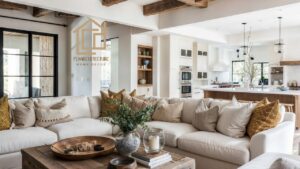
The living room is where your topics multiple stories shines the most.
Story Layers You Can Add
- Comfort: deep seating, soft throws
- Personality: art, books, collected objects
- Connection: seating arrangements that invite conversation
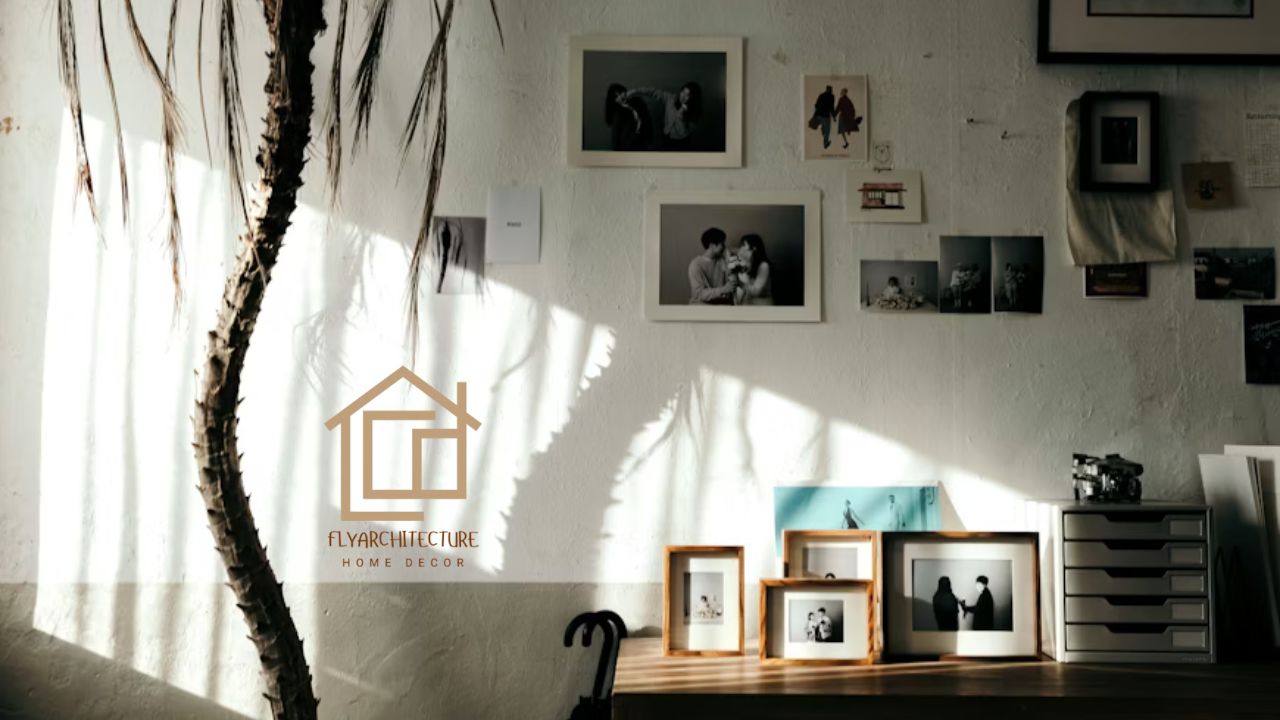
A neutral sofa becomes one story. A patterned rug adds another. A family photo wall tells a third. Together, they form a space that feels complete.
Bedroom Decor: Telling a Quiet, Personal Story
Bedrooms aren’t meant to impress guests. They’re meant to support rest.
Using your topics multiple stories here means blending:
- Emotional comfort
- Practical storage
- Visual calm
Examples of Storytelling in Bedrooms
- Linen bedding for softness
- Warm lighting for relaxation
- A bench or chair that hints at routine
Nothing screams for attention. Everything works together.
Kitchen Design: Functional Stories That Matter
Kitchens are often overlooked in storytelling—but they shouldn’t be.
With your topics multiple stories, a kitchen can reflect:
- Daily habits
- Cultural influences
- Family rituals
Open shelving tells a different story than closed cabinets. A worn wooden table speaks louder than a glossy island.
Color Palettes That Tell More Than One Story
Color isn’t just visual—it’s emotional.
When applying your topics multiple stories, color choices should:
- Support mood
- Flow between rooms
- Reflect personality
Popular Multi-Story Color Combinations
- Warm whites + natural wood
- Muted greens + brass accents
- Earth tones + soft textiles
Each combination creates continuity without monotony.
Small Spaces, Big Stories
You don’t need a large home to use your topics multiple stories effectively.
Entryways
- A mirror for light
- A bench for routine
- Hooks that show daily life
Hallways
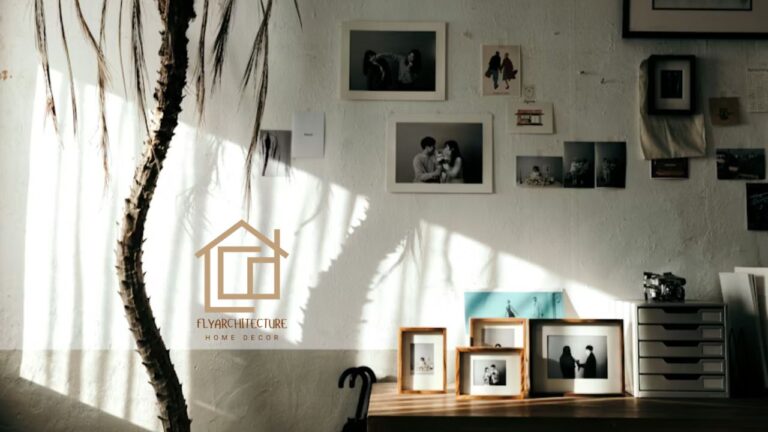
- Gallery walls
- Subtle lighting
- Runners that guide movement
Even transitional spaces deserve intention.
Decor Styles That Work Best With This Approach
Some styles naturally support your topics multiple stories more than others.
Highly Compatible Styles
- Scandinavian
- Japandi
- Modern rustic
- Eclectic minimalism
These styles leave room for layers, evolution, and imperfection.
Real-Life Example: One Theme, Many Rooms
Theme: Nature-inspired calm
- Living room: wooden coffee table, plants
- Bedroom: linen bedding, earthy colors
- Bathroom: stone textures, soft lighting
Each room is different. Yet together, they feel connected. That’s your topics multiple stories in action.
User Experiences: What Homeowners Say
“Once I stopped copying Pinterest rooms and focused on stories, my home finally felt like mine.”
— Homeowner, Canada
“This approach helped me decorate slowly, without pressure.”
— Apartment renter
“My space feels calmer now. Less clutter, more meaning.”
— Interior enthusiast
Common Pros
- Emotional connection
- Less impulse buying
- Timeless appeal
Common Cons
- Takes patience
- Requires self-reflection
Still, most people never go back after trying your topics multiple stories.
Budget-Friendly Ways to Apply This Method
You don’t need a huge budget.
Affordable ideas:
- Rearranging furniture
- Mixing old and new pieces
- DIY wall art
- Thrifted decor
Your topics multiple stories is about intention, not expense.
Decorating Over Time (And Why That’s Good)
Instant makeovers look great online—but real homes grow slowly.
Using your topics multiple stories encourages:
- Thoughtful purchases
- Better quality choices
- Emotional attachment
Over time, your home becomes richer, not cluttered.
Common Mistakes to Avoid
Even with good intentions, people slip up.
Avoid:
- Overmatching everything
- Ignoring function
- Decorating only for guests
- Forcing a theme
Let your topics multiple stories evolve naturally.
FAQs: Home Decor Questions People Actually Ask
What does your topics multiple stories mean in home decor?
It means decorating one home theme through multiple layers, spaces, and perspectives instead of a single rigid style.
Can renters use this approach?
Yes. Your topics multiple stories works especially well with temporary, flexible decor.
Is this style expensive?
Not at all. It often saves money by reducing impulse purchases.
How long does it take to decorate this way?
There’s no deadline. That’s the beauty of your topics multiple stories.
Does this work for modern homes?
Absolutely. Modern spaces benefit greatly from layered storytelling.
Can I mix styles using this approach?
Yes. Mixing styles is encouraged when done thoughtfully.
Is this better than following trends?
For most people, yes. Your topics multiple stories prioritizes longevity over hype.
Final Thoughts: A Home That Feels Like You
At its heart, your topics multiple stories is about respect—respect for your space, your life, and your pace. Instead of rushing to finish a room, you allow it to grow alongside you. Every object earns its place. Every corner serves a purpose.
Homes designed this way feel calmer, warmer, and more honest. They don’t shout for attention; they invite connection. If you want a home that feels timeless rather than trendy, expressive rather than perfect, then your topics multiple stories isn’t just a decorating method—it’s a mindset.