The way people decorarán their homes in 2025 is changing faster than most expect.
Not because of fashion—but because life itself has changed.
Homes are no longer just places to sleep. They’re offices, sanctuaries, therapy spaces, and social hubs. Understanding how designers and homeowners decorarán modern spaces helps you make smarter, longer-lasting decisions—without wasting money or following empty trends.
This guide breaks it all down, honestly and practically.
4
🔍 Quick Summary Table: 2025 Decoration Trends
| Trend Name | Category | Key Features | Avg. Cost | Rating | Pros | Cons |
|---|---|---|---|---|---|---|
| Warm Minimalism | Residential | Soft neutrals, wood, texture | Medium | ⭐⭐⭐⭐⭐ | Timeless, calming | Can feel safe |
| Biophilic Design | Wellness | Plants, light, nature | Low–Medium | ⭐⭐⭐⭐☆ | Improves mood | Needs care |
| Emotional Maximalism | Creative | Color, art, memory | Variable | ⭐⭐⭐⭐☆ | Highly personal | Easy to overdo |
| Invisible Technology | Smart Living | Hidden tech, automation | High | ⭐⭐⭐⭐☆ | Comfort & efficiency | Costly |
Why Decoration Trends Are Shifting So Quickly
In reality, the way people decorarán their spaces reflects deeper emotional and social shifts.
Three major drivers:
- Remote and hybrid work
- Mental health awareness
- Sustainability fatigue (people want real impact)
Consumers are tired of picture-perfect homes that don’t feel livable. That’s why the way homes decorarán now prioritizes comfort over show.
Trend #1: Warm Minimalism (Not Cold, Not Empty)
Minimalism isn’t disappearing—it’s evolving.
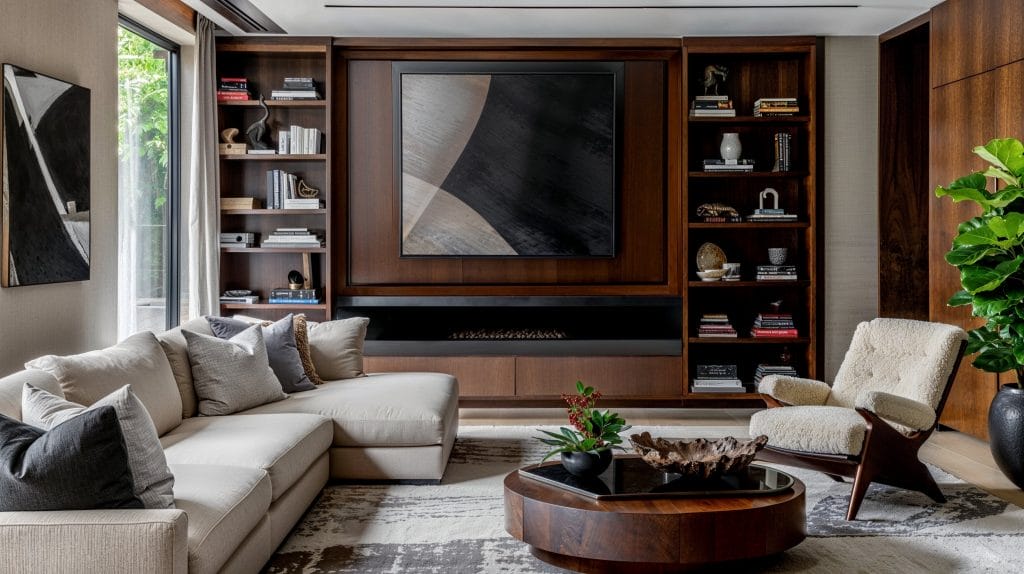
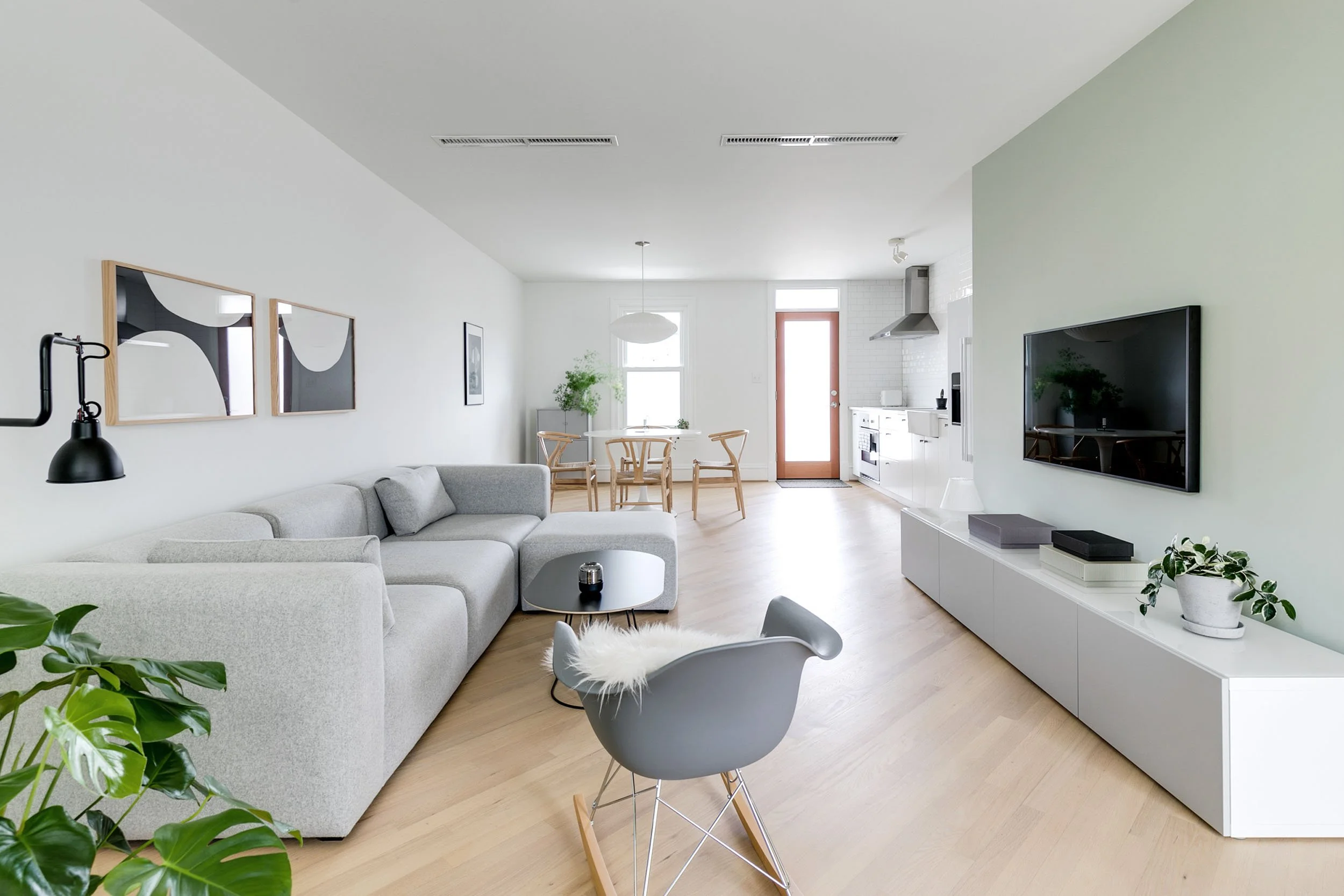
In 2025, people decorarán with:
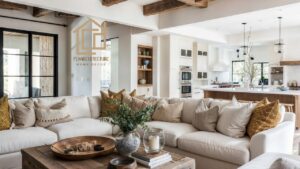
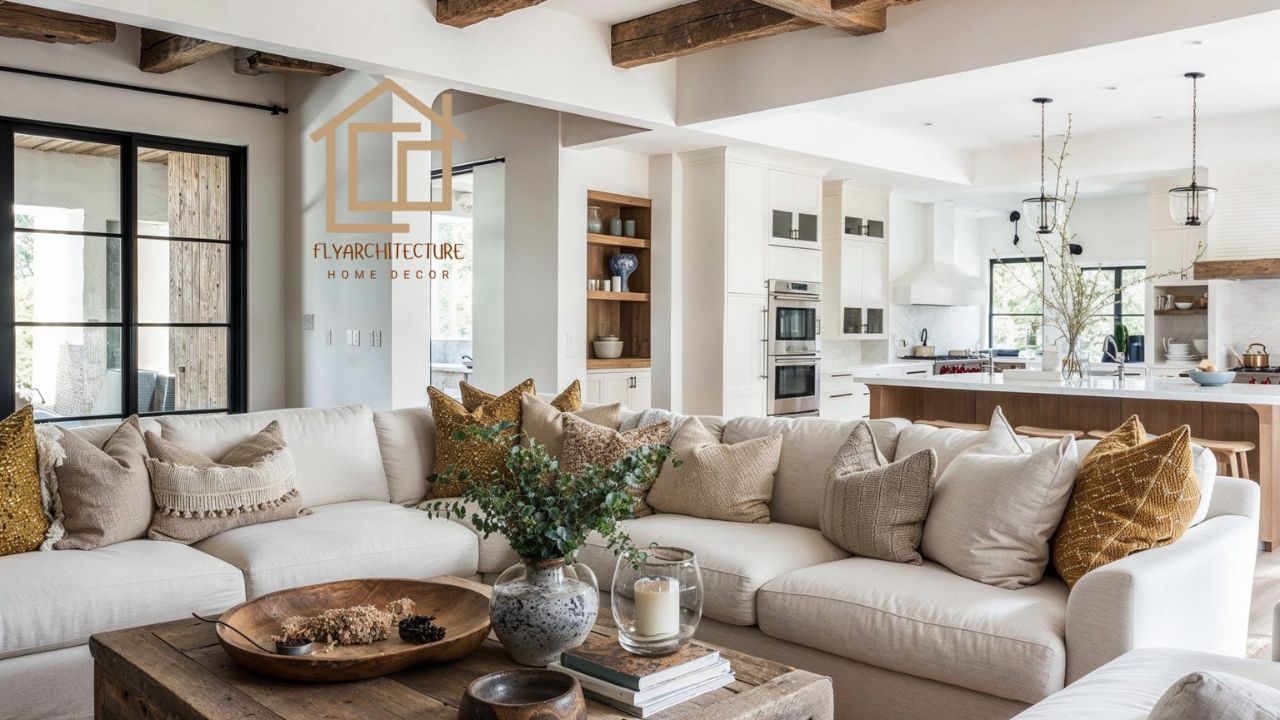
- Warm beige and sand tones
- Natural woods
- Layered textiles
- Rounded furniture edges
This style feels intentional, not sterile.
Real-life example
A 70 m² apartment uses fewer pieces—but every item has texture, weight, and purpose. The result feels peaceful, not boring.
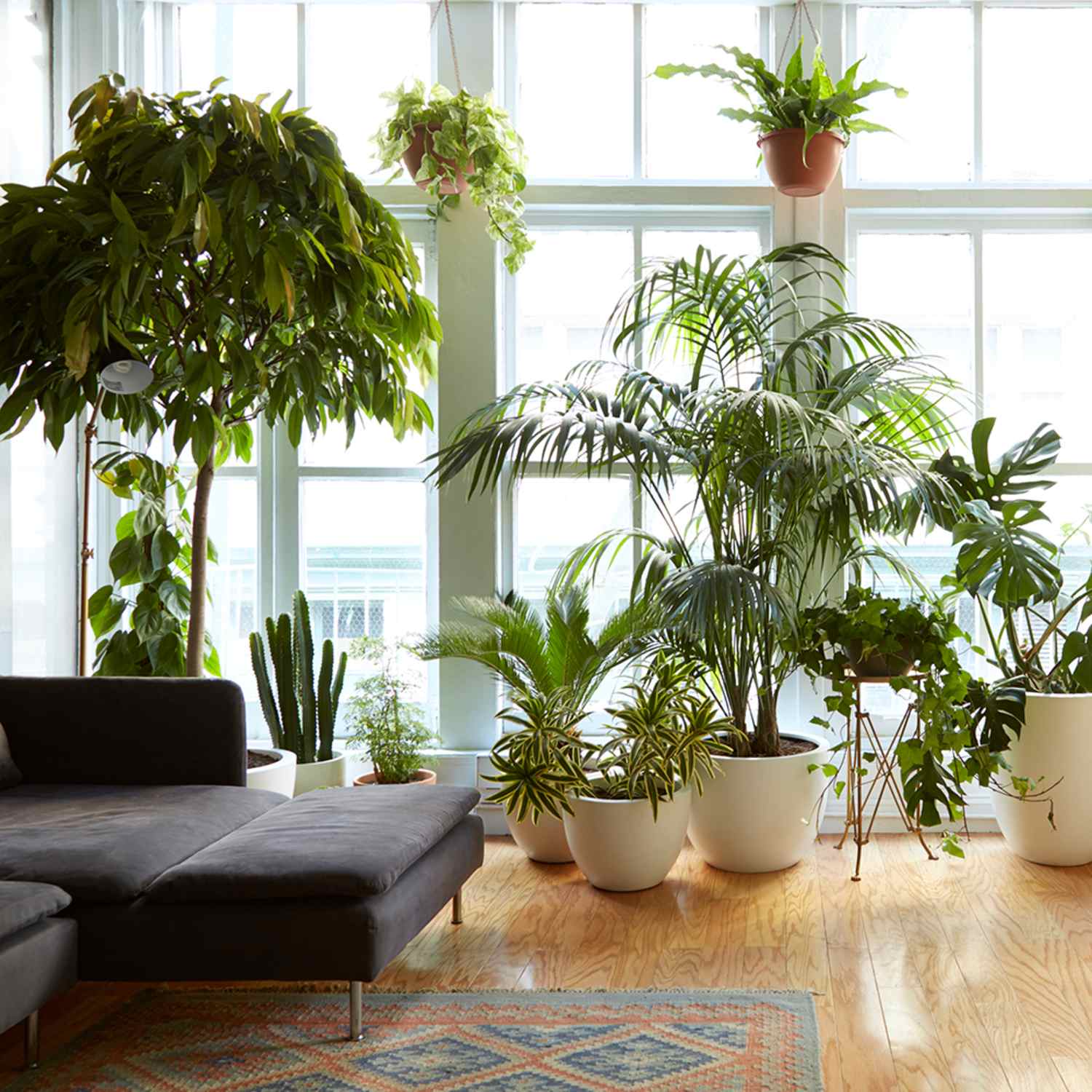
Trend #2: Biophilic Design Becomes Non-Negotiable
Designers already know this: spaces without nature feel emotionally flat.
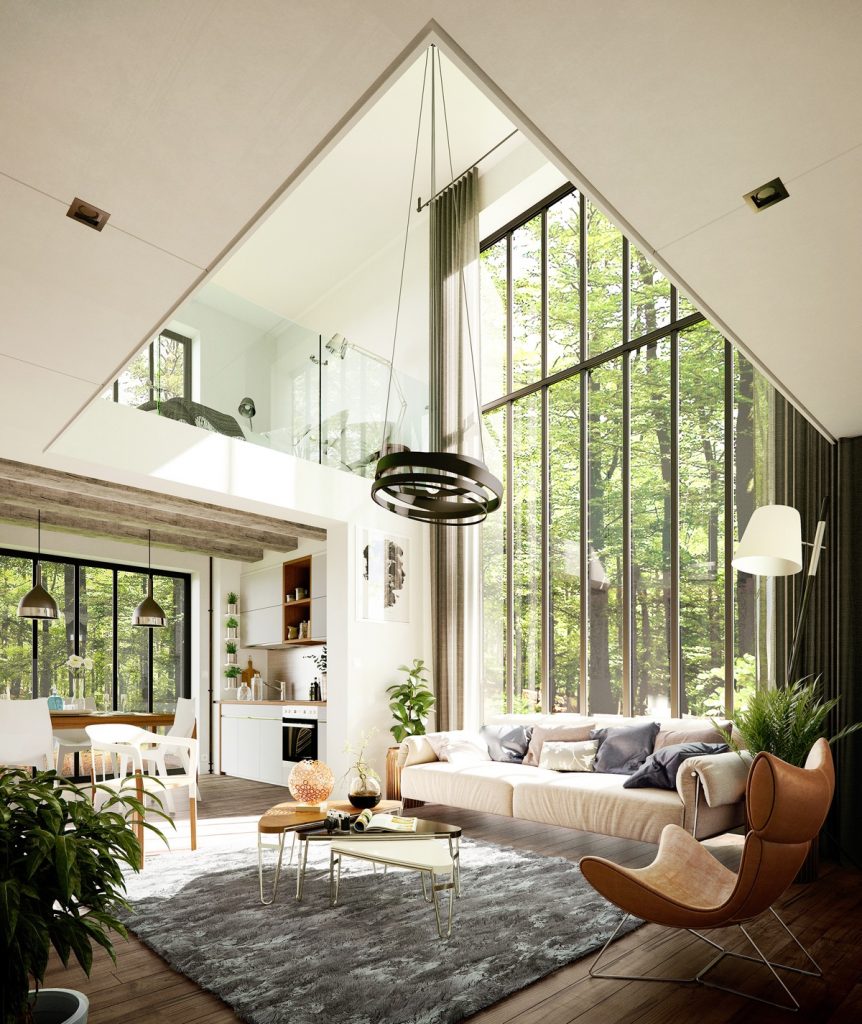
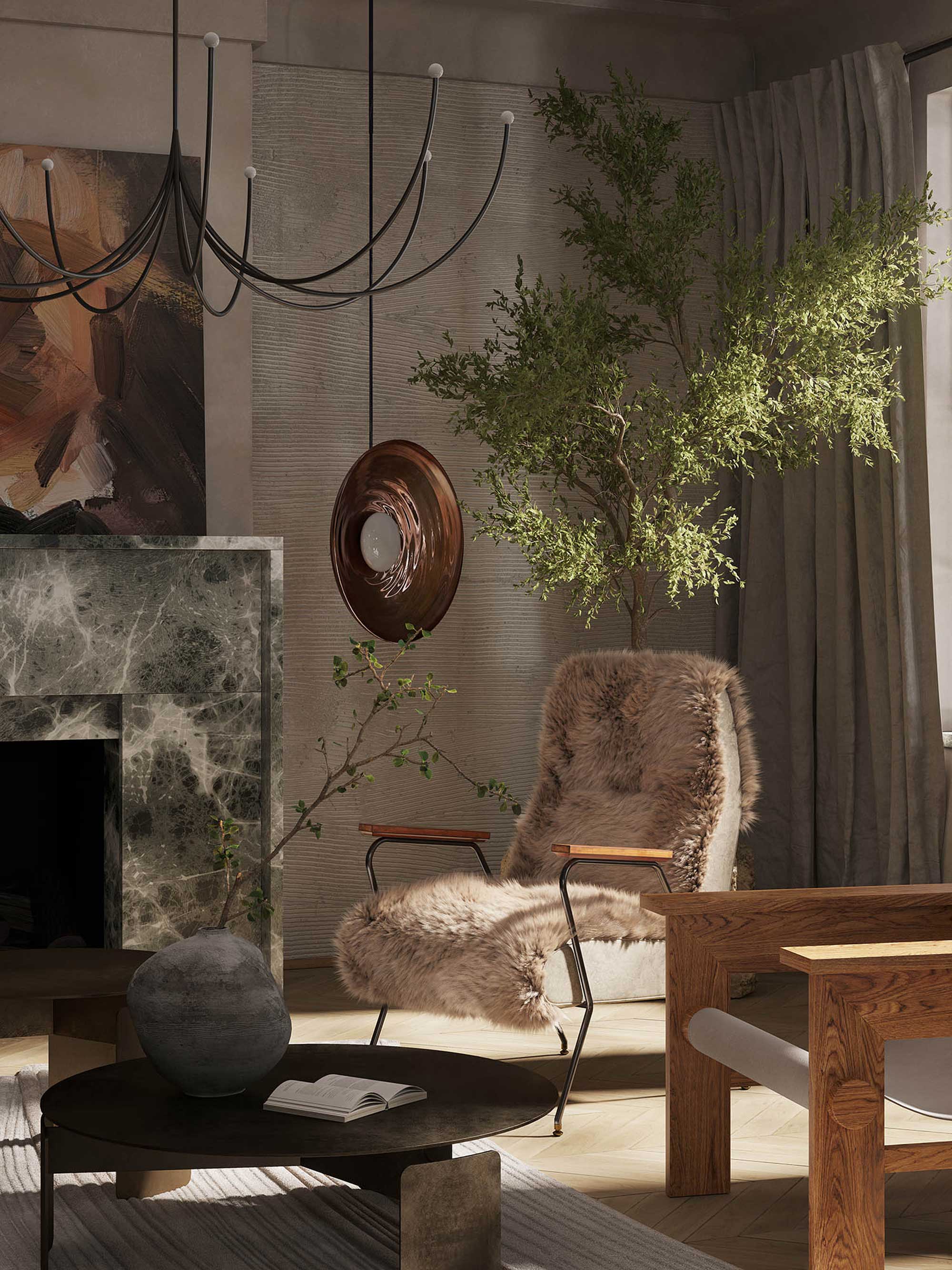
That’s why more homes decorarán with:
- Large, low-maintenance plants
- Stone and clay materials
- Natural airflow and light
According to environmental psychology studies, exposure to natural elements can reduce stress by up to 30%.

Trend #3: Decorating for Mental Health
This is the biggest shift.
Instead of asking “Does it look good?”, people ask “How does it make me feel?”
So spaces decorarán using:
- Muted, emotionally safe colors
- Visual order (not clutter)
- Quiet corners without screens
A beautiful space that causes anxiety has failed its purpose.
Trend #4: Furniture With Meaning, Not Mass Production
Fast furniture is losing appeal.
In 2025, people decorarán with:
- Vintage pieces
- Handmade items
- Repaired or inherited furniture
These pieces tell stories—and make homes feel lived in, not staged.
Trend #5: Technology That Disappears
Tech isn’t going away. It’s just hiding.
Homes decorarán with:
- Hidden lighting systems
- Built-in charging
- Invisible speakers
- Voice automation without visible devices
The best technology feels invisible.
Trend #6: Emotional Maximalism (Done Carefully)
Yes—color is coming back.
But people decorarán emotionally, not chaotically:
- One bold wall instead of five
- Art with personal meaning
- Objects tied to memory
This trend works only when intention leads design.
Real Pros & Cons of Following Trends
Pros
- Better daily comfort
- Improved mental clarity
- Stronger emotional connection to home
Cons
- Trend confusion online
- Budget creep
- Decision fatigue
That’s why not everyone decorarán the same way—even with similar inspirations.
What Real People Are Saying
Laura, 35 – London
“Once I stopped copying Instagram and focused on how I felt, my space finally worked.”
Daniel, 41 – Toronto
“I added too many plants at first. Then I simplified. That balance changed everything.”
These experiences show how people decorarán more consciously than before.
Cost Breakdown: What to Expect
| Style | Budget Range |
|---|---|
| Warm Minimalism | $1,000 – $4,000 |
| Biophilic Updates | $300 – $2,500 |
| Smart Home Integration | $2,000 – $10,000 |
Most people decorarán smarter—not more expensively.
Expert Tips Before You Start Decorating
If you’re planning how you decorarán your space:
- Live in the space first
- Remove before adding
- Invest in lighting
- Choose comfort over trends
- Trust your instincts
Good design should support life—not compete with it.
Frequently Asked Questions (FAQs)
Will minimalism still be popular in 2025?
Yes, but warmer and more human.
Is biophilic design expensive?
No. Even small changes make a difference.
Should I follow trends exactly?
No. Trends guide—but personal needs decide.
Will technology dominate interiors?
People decorarán with tech—but subtly.
What colors will dominate?
Earth tones, soft greens, clay, and muted blues.
Can small spaces follow these trends?
Absolutely. Often more effectively.
Final Thoughts
The way people decorarán their homes in 2025 reflects something deeper than style. It reflects values—well-being, authenticity, and emotional balance. Homes are becoming quieter, warmer, and more intentional. Some will decorarán with fewer objects, others with stronger personal meaning, but almost everyone is moving away from decoration without purpose.
If there’s one takeaway, it’s this: great design doesn’t shout. It supports. And when a space feels right, you notice it every single day.
Admin Recommendation
FlyArchitecture Explained: Services, Reviews, Pricing & Insights
Flyarchitecture.net Review: A Smart Hub for Modern Architect